What Is Rayon? Fiber Facts, Types and Where It Belongs in Bags
Rayon explained for buyers: how the semi-synthetic cellulosic fiber is made, whether it counts as natural, viscose vs modal vs lyocell, how it compares with cotton and polyester, and where rayon does - and does not - belong in bag construction.
7 min readrayonfiber guidefabric knowledge
Rayon is the fiber everyone has worn and almost nobody can define. It is plant-based but not natural, man-made but not synthetic, and it appears on labels under at least four names - rayon, viscose, modal, lyocell. This guide explains what the fiber actually is, how the three generations differ, how it stacks up against cotton and polyester, and the practical question for this site's readers: where rayon belongs in a bag, and where specifying it is a mistake.
What rayon actually is
Rayon is a regenerated cellulosic fiber: the raw material is natural cellulose - usually wood pulp from beech, pine, eucalyptus or bamboo - which is chemically dissolved and then extruded through spinnerets into new continuous filaments. The cellulose molecule survives the journey; its physical form does not. That is why classification bodies place rayon in its own category, semi-synthetic: the polymer is natural, the fiber is manufactured. The answer to the most-searched question - is rayon a natural fiber - is therefore no, with a footnote. It is not natural like cotton, where the fiber exists in the field; it is not synthetic like polyester, where the polymer itself is built from petrochemicals. It occupies the middle ground, and that middle position explains almost everything about how it behaves: it breathes, dyes and feels like a natural fiber, but it is engineered to a price and a hand feel like a synthetic. First commercialised in the early twentieth century as "artificial silk", rayon became the drape-and-sheen workhorse of fashion - blouses, dress linings, flowing skirts - precisely because it imitates silk at a fraction of the cost.
Viscose, modal, lyocell: three generations of one fiber
The names on garment labels are process generations, not marketing whims. Viscose is the original and still dominant route: cellulose treated with caustic soda and carbon disulfide, then regenerated in an acid bath. It delivers the classic rayon virtues - deep colour, fluid drape, soft hand - and the classic vices: it loses 30-50% of its strength when wet and shrinks if washed carelessly. Modal, the second generation, is a high wet modulus (HWM) variant usually spun from beech pulp; the tighter process yields a fiber that survives machine washing, shrinks less and pills less, which is why it dominates premium underwear and tee blends. Lyocell, the third generation, dissolves pulp in an organic solvent (NMMO) recovered in a closed loop at rates above 99% - a fundamentally cleaner chemistry - and produces the strongest fiber of the three, wet or dry, with a smooth surface that resists pilling. In the US, Federal Trade Commission labelling treats all three as rayon types; European labels keep the names separate. For a buyer, the generation matters more than the word rayon itself: a viscose lining and a lyocell lining are different-performing materials at different prices.
Rayon vs cotton vs polyester: the honest comparison
Set the three fibers side by side and each one wins a different column.
| Property | Rayon (viscose) | Cotton | Polyester |
|---|---|---|---|
| Source | Wood pulp, regenerated | Natural seed fiber | Petrochemical |
| Hand & drape | Silky, fluid | Soft, matte | Crisp to technical |
| Breathability | High | High | Low-moderate |
| Wet strength | Poor (-30-50%) | Good (stronger wet) | Unaffected |
| Abrasion resistance | Low | Moderate | High |
| Moisture absorbency | Highest of the three | High | Near zero |
| Wrinkle resistance | Poor | Poor-moderate | Excellent |
| Typical cost | Low-moderate | Moderate | Low |
Rayon takes dye more deeply than cotton - colours look saturated and rich - and it breathes as well as any natural fiber, which is why it owns the flowing-garment category. But the wet-strength row is the one that matters for anything load-bearing: a fiber that weakens by up to half when damp has no business carrying weight in rain. Cotton actually gets stronger wet; polyester does not care either way - context for why our cotton vs canvas and polyester vs nylon comparisons dominate bag-fabric decisions while rayon rarely enters them.
Where rayon belongs in a bag - and where it does not
Run rayon through the same checklist we apply to any bag fabric spec sheet and the verdict is quick. As a shell fabric: no. Tensile and tear strength are modest dry and poor wet, abrasion resistance is far below even light polyester, and the fiber stretches under sustained load - a rayon tote would bag out, fray at stress points and fail at the handles long before a 600D polyester or 10 oz canvas equivalent. As a lining: a qualified yes. Drape, slip and colour depth are exactly what a fashion-bag interior wants; a viscose or cupro-style lining slides over contents, photographs richly and costs less than silk. Specify pre-shrunk fabric, keep it away from load-bearing seams, and back it with interfacing where zippers land. As trims and accents - scarves tied to handles, interior pocket facings, brand-label grounds - rayon's sheen earns its place. The one structural exception is blends: rayon blended with polyester or cotton (common in fashion-weight twills) gains usable stability while keeping surface lustre, suitable for light occasional-use pouches, never for daily carry. If the project brief says "silky interior, natural story, controlled budget", rayon lining over a canvas or recycled-poly shell - see our RPET guide - is a proven combination.
Sustainability: the question that decides modern rayon
Rayon's green reputation swings wildly because the fiber name covers both the dirtiest and cleanest routes in cellulosic production. On the input side, pulp can come from certified plantations (FSC/PEFC) or from unverified logging - traceability is the first question to ask a supplier. On the process side, conventional viscose uses carbon disulfide, a toxic solvent with a documented occupational-health history; modern plants capture and recover it to strict emission standards, older ones do not. Lyocell's closed-loop NMMO process sidesteps the issue almost entirely, recovering over 99% of solvent. End-of-life is rayon's genuine advantage: as regenerated cellulose it biodegrades readily, unlike polyester. The buyer's rule mirrors what we tell RPET buyers: claims need paperwork. "Plant-based" on a hangtag is not a credential; FSC-certified pulp, EU BAT-compliant production or a named lyocell brand is. A bag programme that specifies a certified lyocell lining can tell a clean sustainability story; one that specifies anonymous viscose cannot.
Specifying rayon components in production
For programmes that do use rayon - typically linings in fashion totes and pouches - four spec-sheet lines prevent the common failures. State the generation explicitly (viscose, modal or lyocell), because "rayon lining" quotes the cheapest. Require pre-shrunk or sanforized fabric with residual shrinkage below 3%, or the lining puckers after the first humid shipping container. Confirm colourfastness to rubbing (dry 4+, wet 3+) since deep rayon dyes can crock onto contents. And order a lab dip before bulk - rayon's dye affinity means the same recipe lands differently than on cotton. MOQs for stock rayon linings start low (300-500 metres); custom colours follow normal dye-lot minimums. The same pre-production tests we run on shell fabrics apply, with wet strength added to the panel.
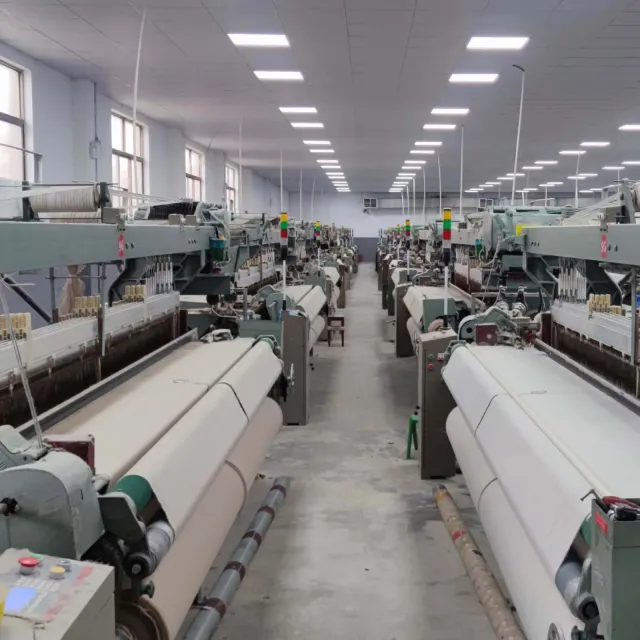
As a mill-side partner, the group's factory arm weaves and finishes custom fabrics and builds custom tote programmes that pair performance shells with fashion linings under one quality assurance system - and a free sample service puts the actual cloth in your hands first. If a rayon-lined programme is on your desk, send the spec through the contact form and we will return fabric options with test data attached.
Free colour card and swatches
Get the colour card and three fabric proposals for your bag
Tell us the bag type and target price. We reply with two or three fabric options, swatches by courier and, if you need the bags made, a sample plan from our sister factory.