
Fabric for Hot Climates: How We Specify Bags for the Gulf, India and Southeast Asia
Bags fail differently at 45 C. Colour fade, PVC softening, sweat and mildew each have a fabric answer - light-fast dyes, PU over PVC, air mesh and quick-dry linings. Here is the specification we use for GCC and tropical programmes.
5 min readhot climateGCCschool bagscolour fastness
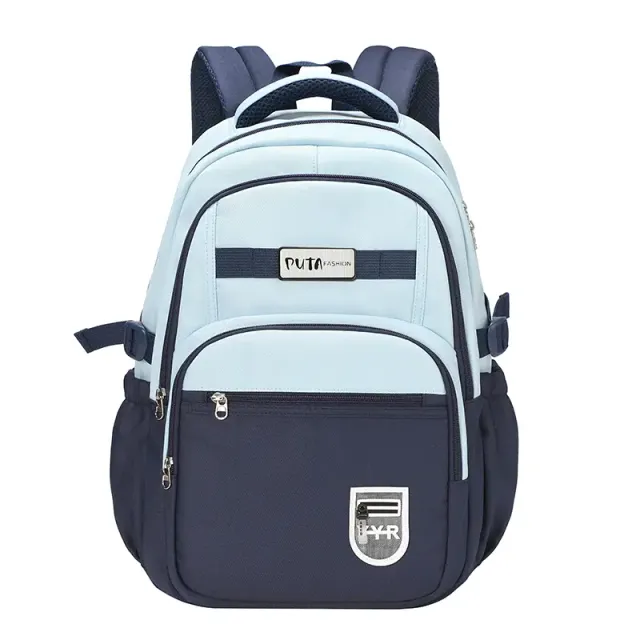
A bag that survives a European winter can fail in one Gulf summer. Heat, UV and sweat attack fabric in ways that a spec sheet written for temperate markets never mentions. These are the four failure modes and the fabric answer to each.
1. Colour fade: light-fastness grade 5+
Direct sun at 45 C bleaches dark polyester and nylon in a season. Standard disperse dyes reach light-fastness grade 4; we specify grade 5+ dyes (ISO 105-B02) for GCC, Indian and Australian programmes. Solution-dyed nylon is the next step for tactical and outdoor. Lighter colours help; so does a matte finish that reflects rather than absorbs.
We condition GCC samples at 50 C for 24 hours before shade approval.
2. PVC softening: specify PU
PVC backing softens, smells and can delaminate in car-boot heat above 60 C. For hot markets we specify PU-coated polyester for body panels and base, and reserve PVC for welded tarpaulin bags that live outdoors. TPU is the premium alternative where full waterproofing is needed.
3. Sweat: air mesh everywhere the bag touches skin
Back panel, shoulder straps, lumbar pad: 5-8 mm air mesh over EVA foam is mandatory on every hot-climate school and daypack we supply. Quick-dry finish is standard; silver-ion antibacterial treatment is available for school programmes where bags are worn daily and washed rarely.
Colour fastness to perspiration (ISO 105-E04) grade 4+ on mesh and lining stops dye transfer to uniforms.
4. Mildew: coated, quick-dry linings
Humid tropical storage grows mildew on cotton and uncoated fabrics. Specify PU-coated 210D oxford lining rather than cotton, anti-mildew treatment on canvas if canvas is required, and quick-dry mesh in pockets. Polyester and nylon do not feed mould; the dirt on them does, so wipe-clean surfaces matter.
The hot-climate school bag spec
| Component | Specification |
|---|---|
| Body | 600D polyester, PU 1x, light-fastness grade 5+ |
| Base | 600D PU or 1680D PU (not PVC) |
| Lining | 210D oxford PU, light colour |
| Back panel / straps | 5 mm air mesh, quick-dry, antibacterial optional |
| Zippers | Nylon coil, resin or nickel-free metal pulls |
| Webbing | Polypropylene or polyester, colour-matched, UV-stable |
This is the build behind the school backpack programmes our sister factory ships to the GCC and India every summer, and the tactical bags supplied to desert operators.
Testing
Beyond the standard six roll tests, hot-climate lots get light-fastness (B02), perspiration fastness (E04) and a 50 C conditioning check before shade approval. Reports ship with the rolls.
Free colour card and swatches
Get the colour card and three fabric proposals for your bag
Tell us the bag type and target price. We reply with two or three fabric options, swatches by courier and, if you need the bags made, a sample plan from our sister factory.